Detroit visitor guide
The Music Lover’s Pilgrimage: A Journey Through Detroit’s Legendary Sound
Detroit’s music history is best approached as several connected stories, not a single sound or sightseeing circuit. Motown, techno, rock and hip-hop offer different ways into the city’s cultural life. This self-guided planning guide combines historical context with a realistic museum visit and a separately chosen evening performance, when the schedules fit.

Make one heritage visit and one current performance the foundations of your trip. Hitsville U.S.A. public tours are scheduled to resume December 17, 2026, so the museum portion depends on your dates. Explore recordings and historical resources alongside the places you visit; this itinerary is not a commercial tour package or a promise of artist appearances.
Explore Detroit Event Tickets →Detroit’s Music Legacy in One Trip
The early Motown story leads to West Grand Boulevard, while Detroit techno developed through a different network of artists and creative settings. Rock and hip-hop add further perspectives. These histories overlap through the city without forming one attraction with a single entrance, ticket or operating schedule.
Decide what you most want from the visit. Seeing a preserved recording space, understanding a musical movement and hearing a contemporary show are distinct goals. They can complement one another, but an evening concert does not replace a museum tour, and visiting a famous address does not guarantee an inside experience.
Give yourself room to connect what you hear with what you see. Listening to a few recordings before the trip can help a studio visit feel more specific. Afterward, choose a current performance on its own merits rather than expecting every local stage to recreate the music of an earlier era.
Hitsville U.S.A. and the Motown Museum
Berry Gordy’s label-building story began in 1959, and the property at 2648 West Grand Boulevard became known as Hitsville U.S.A. The Motown Museum connects that address with the people and work behind the records. Its scale and domestic origins are part of the interest: a familiar name in music history is attached to a particular working environment.
For present-day access, use the museum’s reopening announcement. As of November 11, 2026, public tours are scheduled to resume on December 17 after preservation work and campus construction. Do not assume an interior tour is available before that date. For later visits, select an actual tour through the museum’s booking channel and review its arrival instructions.
The resumption of Hitsville tours is not confirmation that every part of the expanding campus opens at once. Keep your expectation tied to the visit that is being offered. If your dates precede reopening, use the museum’s online historical resources and make a different daytime plan instead of treating a hoped-for tour as confirmed.
Studio A and the Motown Sound
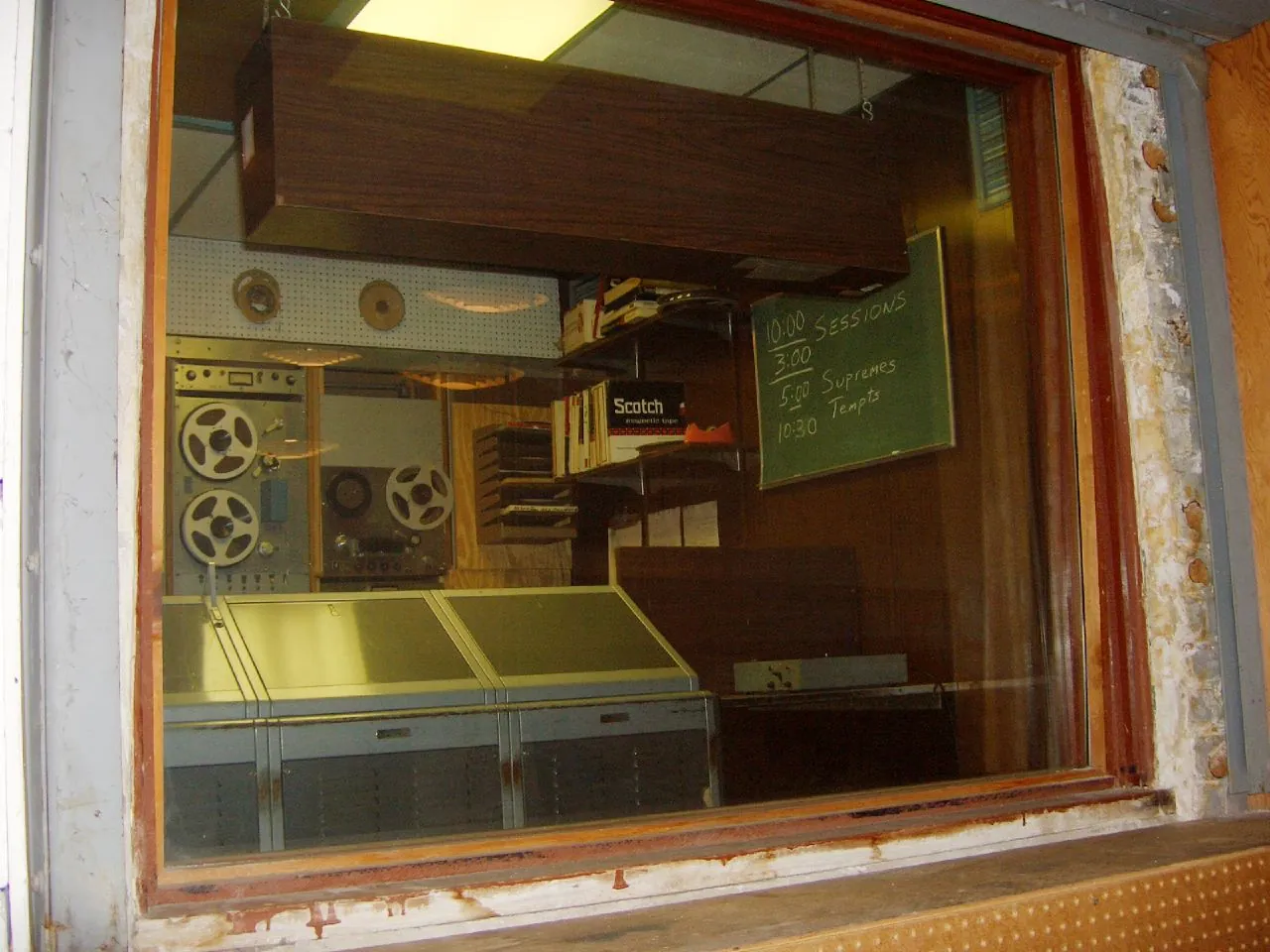
Studio A makes the Motown story tangible. The museum describes original instruments and recording equipment from 1959–1972, along with the control room and the role of the Funk Brothers house band. Artists, musicians, writers, arrangers, producers and engineers all belong in the story, rather than only the names on the record sleeves.
That shared work is a useful focus for a visit. Notice how a recording space and its control room support different roles in making music. The setting can prompt questions about how performers communicated, how sounds were captured and how several creative contributions became one finished recording. Those questions offer more than simply collecting a photograph of a famous room.
The Supremes, Stevie Wonder and Marvin Gaye are part of Motown’s musical history, but your tour should be understood through its current description. Do not expect a particular song demonstration, participation opportunity or photography permission unless the museum expressly provides it. The archival image accompanying this section documents a past view, not a guarantee of every detail of today’s visit.
Detroit Techno and Electronic Music
Detroit techno brings another set of names and creative ideas into the itinerary. Juan Atkins, Derrick May and Kevin Saunderson are associated with the Belleville Three and the genre’s development in the 1980s. Atkins worked with Rick Davis in Cybotron before developing Model 500 and the Metroplex label. These are historical connections to explore through recordings and reliable accounts, not a current appearance schedule.
Consider making listening part of this section of the trip. Compare an early electronic track with something you know from Motown, paying attention to rhythm, instrumentation and the different musical aims. The exercise does not require claiming the genres are identical; their differences are part of Detroit’s range.
A present-day electronic-music event can add another perspective when one is actually announced for your dates. Keep the historical exploration separate from the booking. The presence of a celebrated artist in the city’s story does not establish a public studio visit, a meeting opportunity or participation in a future lineup.
Rock, Hip-Hop, and Other Local Sounds
Detroit’s musical history also includes the rock band MC5 and the city’s rap scene. Eminem’s Rock and Roll Hall of Fame profile traces his rise from Detroit’s rap underground and records his 2022 induction. Those examples widen the trip beyond the idea that one museum or one genre can stand for the whole city.
Use recordings and historical accounts to investigate the music before turning names into sightseeing stops. An address associated with an artist or an older performance may be privately used, closed to visitors or unrelated to today’s event calendar. Do not assume that a place named in a musical story operates as a public attraction.
You also do not need to turn the visit into a complete musical survey. Choosing a few points of interest lets you listen more carefully and understand their differences. Leave another genre for a future visit if covering everything would mean rushing past the places you most wanted to see.
Where to Hear Live Music Today
Explore the dated Detroit concerts to find a current performance that fits your visit. Then read the exact show’s venue and admission description. The practical question is what is actually being presented on that evening, rather than whether an event title seems to represent a broad category of Detroit music.
The Fillmore Detroit venue guide is one starting point along Woodward Avenue. Its official visitor information specifies mobile entry and directs guests to the age restrictions for their selected show. Those requirements matter even when the venue’s history is the reason it first caught your attention.
The Fox Theatre guide provides another venue to investigate. Choose between real performances, with attention to the admission your group can use. A good historical itinerary can finish with contemporary music without implying the artist is part of Motown, a tribute act or a representative of any particular earlier scene.
Planning a Music-Focused Visit
Confirm the heritage visit and performance separately, then build the journey between them. The QLINE serves the Woodward corridor, but Motown Museum is not a direct stop on that route. Work out the museum leg using a current map and transport information rather than assuming one service connects every place in the story.
Keep time for food and rest, especially if the evening event follows a structured daytime visit. If a tour or show does not fit, change the itinerary deliberately. The goal is a useful connection with Detroit’s music, with enough space to listen and look closely—not a checklist of addresses or a promise that the past can be replayed on demand.
Before you head out
Questions, answered
Is this a bookable guided tour?
No. This is a self-guided planning article. Museum tours and any evening performances need their own arrangements. Details ↗
When are Hitsville U.S.A. public tours scheduled to resume?
Motown Museum announces December 17, 2026. Check the official booking calendar for your selected date and visit. Details ↗
Sources & References
Event details and visitor information checked 2026-11-11. Check the venue's current guidance before you travel.
- Motown Museum: tour reopening announcement ↗
- Motown Museum: Studio A and control room ↗
- Motown Museum: Berry Gordy ↗
- Detroit Historical Society: Juan Atkins ↗
- Rock and Roll Hall of Fame: Eminem ↗
- The Fillmore Detroit visitor information ↗
- Associated Press: MC5 and Wayne Kramer ↗
- QLINE current FAQ ↗
- Wikipedia — Detroit ↗


